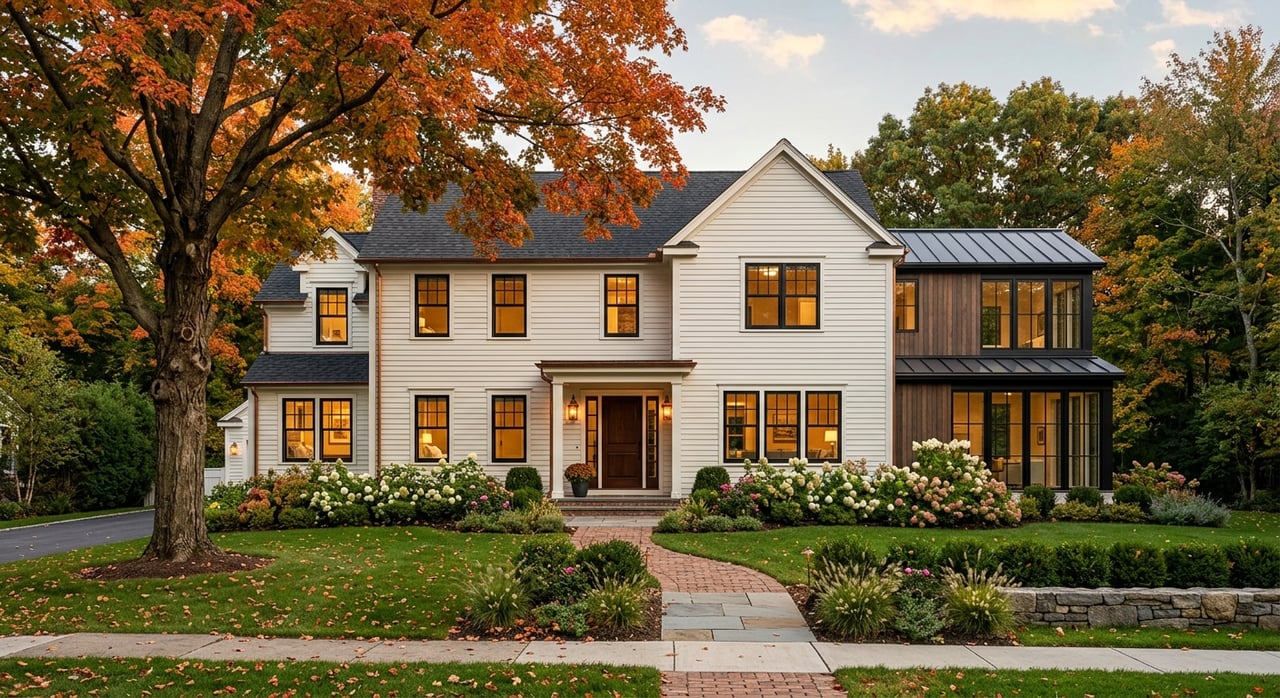
If you are trying to picture everyday life in Needham, you are probably asking a simple question: what does living there actually feel like day to day? That matters whether you are relocating, moving from another Boston-area community, or deciding if Needham fits your routine and priorities. The good news is that Needham offers a clear blend of commuter convenience, established neighborhoods, and easy access to daily essentials. Let’s take a closer look at what that means in real life.
Needham at a Glance
Needham is a settled Greater Boston suburb with an estimated 2024 population of 32,931. It has a strong owner-occupier profile, with 83.1% of homes occupied by owners, which helps explain its stable, lived-in feel.
You also see that stability in the housing numbers. Census data shows a median owner-occupied home value of $1,188,500 and a median gross rent of $2,409. In practical terms, Needham tends to appeal to people looking for a long-term home base rather than a short stop.
Needham Center Shapes Daily Life
For many residents, Needham Center is part of the weekly rhythm. Town planning materials describe it as both the geographic and symbolic center of town, with Town Hall, the Town Common, retail and office uses, open space, and two commuter rail stations.
That setup gives the center a functional role beyond errands. It is a place where you might grab coffee, stop by a local business, head to the train, or spend a little time outdoors in the same trip. In a suburb, that kind of central anchor can make daily routines feel more connected.
Commuting in Needham
If you work in Boston or travel around the metro area often, commuting is a big part of the Needham lifestyle. The town has four MBTA commuter rail stops, and local guidance notes regularly scheduled service to South Station.
A recent schedule snapshot shows a trip from Needham Heights to South Station at about 40 minutes. That helps explain why rail remains a practical option for many commuters who want suburban living without giving up access to the city.
Driving is also central to how people get around. Needham points to Route 95/128 access at exits 33 and 35, along with major local routes like Great Plain Avenue and Highland Avenue.
There is also bus service, including Route 59 to Watertown Square via Newtonville. At the same time, the town encourages walking, biking, and trail use as part of its mobility strategy, so daily movement is not only about the car.
A Town Built for Routine
One of Needham’s strengths is that it supports the kind of routines many people want. You can picture a morning that starts with coffee, includes a train ride or drive to work, and ends with a walk, dinner pickup, or time at a local park.
Because the town is relatively compact and established, everyday tasks can feel manageable. Needham is not trying to be a fast-changing urban district. It functions more like a mature suburb where systems, services, and familiar places shape the week.
Coffee, Breakfast, and Casual Stops
Needham’s food scene supports daily life in a practical way. For coffee and bakery stops, French Press Bakery & Cafe offers specialty coffee, croissants, artisan breads, and breakfast pastries, while Hazel’s Bakery has operated in Needham since 1940 near the Hersey stop.
For a sit-down start to the day, Fresco serves breakfast, lunch, and brunch. These kinds of places matter because they add texture to your routine, whether you are meeting a friend, picking up something on the way to work, or finding a favorite weekend spot.
Dining Options Across Town
Needham also offers a varied mix of lunch, dinner, and takeout choices. Local examples include Blue on Highland in Needham Heights, Spiga Ristorante on Highland Circle, Mandarin Cuisine on Highland Avenue, and The Mariachi Mexican Restaurant on Highland Avenue.
The Farmhouse adds another style of dining, describing itself as a cozy farm-to-table restaurant. Together, these options suggest that you do not need to leave town for a range of casual and sit-down meals.
Parks and Outdoor Time
Outdoor access is part of everyday life in Needham. The Park and Recreation Commission says it stewards more than 300 acres of parkland, including the Town Forest, and oversees outdoor athletic facilities and the Pools at RRC, an outdoor summer aquatics facility.
Parks and Forestry also maintains fields, supports community events, and manages Rosemary Pool. That broad public recreation footprint gives residents more than one way to spend free time close to home.
Trails and Walkable Recreation
Needham’s local trail system adds another layer to daily living. Town resources list options such as Town Forest and Farley Pond, Needham Reservoir, Rosemary Lake, and the Bay Colony Rail Trail, along with regional connections to nearby open spaces.
These are the kinds of places that can become part of your normal week. Instead of planning a major outing, you can often fit in a simple walk, jog, or outdoor break without much effort.
Needham Reservoir and Everyday Use
One especially practical outdoor asset is Needham Reservoir. The town says it covers about six acres, has been used mainly for recreation since the 1950s, and received a fully accessible perimeter trail in 2020.
That makes it the kind of place that works for a short walk as well as a more regular wellness routine. In a town where many people balance work, family, and commuting, accessible outdoor space can make a real difference.
Community Spaces Beyond the Parks
Daily life in Needham is not only about houses and commutes. Town survey materials focused on older residents found that restaurants and cafes, parks and outdoor spaces, and the library were the most commonly reported places to socialize or spend leisure time.
The Center at the Heights also adds a town-run community hub for recreational, health, educational, and informational programming. Even if your own routine looks different, these details help show that Needham supports a mix of social, practical, and active ways to spend time.
What Homes in Needham Usually Look Like
If you are considering a move, it helps to understand the housing stock behind the lifestyle. Needham’s housing plan says 77.6% of units were 1-unit detached homes in 2020, with another 5.1% in 1-unit attached homes.
That means detached and attached single-family homes together made up about 82% of all units. In everyday terms, Needham is still largely defined by traditional residential neighborhoods rather than large multifamily development.
An Older Housing Base
Needham also has a notably older housing base. The housing plan shows sizeable shares of homes built in the 1950s, 1940s, and earlier, and indicates that more than half of housing units were built before 1960.
That older housing stock often shapes the look and feel of the town. You see established streetscapes, mature neighborhoods, and homes that may combine classic New England character with updated interiors or additions.
Larger Homes Are Common
Another notable part of Needham living is home size. The town’s housing plan reports a median of 7.5 rooms per housing unit, compared with 6.0 in Norfolk County and 5.5 statewide.
The same plan found average square footage in sampled assessor records rising from 2,235 in older homes to 4,461 in homes built from 2018 to 2020. For buyers, that can mean more options for work-from-home space, guest rooms, recreation areas, or flexible layouts.
Newer Housing Has a Defined Place
While Needham is largely an older, detached-home market, newer housing does exist. The housing plan says 666 units were built in multifamily buildings of three or more units from 2010 to 2021, including larger projects near transit and commercial corridors.
So if you are exploring Needham, you may find a mix of classic single-family homes, newer condos or apartments, and infill development in targeted pockets. That variety can be helpful if you want the town’s location and lifestyle but need a different housing format.
What Daily Life Feels Like Overall
Put it all together, and Needham tends to feel organized, residential, and steady. It offers a central downtown, workable commuter options, meaningful park access, and a housing base that is mostly owner-occupied and largely detached.
For many buyers and relocating households, that combination is the appeal. You get a suburb with established routines and strong everyday functionality, while still staying connected to Boston and the surrounding region.
If you are weighing whether Needham fits your move, the most useful next step is to match the town’s day-to-day rhythm with your own. If you want help comparing Needham with nearby communities or finding the right home style for your goals, Orit Aviv offers thoughtful, high-touch guidance across Greater Boston.
FAQs
What is daily commuting like in Needham, MA?
- Needham offers four MBTA commuter rail stops with service to South Station, plus driving access via Route 95/128 and bus Route 59, giving you a mix of rail, car, and bus options.
What is Needham Center like for everyday life?
- Needham Center serves as the town’s civic and commercial core, with Town Hall, the Town Common, shops, offices, open space, and two commuter rail stations shaping many daily routines.
What kinds of outdoor recreation are available in Needham, MA?
- Needham has more than 300 acres of parkland, local trails, athletic facilities, pools, and recreation areas such as the Town Forest, Needham Reservoir, Rosemary Lake, and the Bay Colony Rail Trail.
What types of homes are common in Needham, MA?
- Needham is dominated by detached homes, with attached single-family homes also present, while a smaller share of condos, apartments, and newer multifamily housing appears in select areas near transit and commercial corridors.
Is Needham, MA mainly an older housing market?
- Yes. Needham’s housing plan indicates that more than half of the town’s housing units were built before 1960, with many homes dating to the 1940s and 1950s or earlier.
