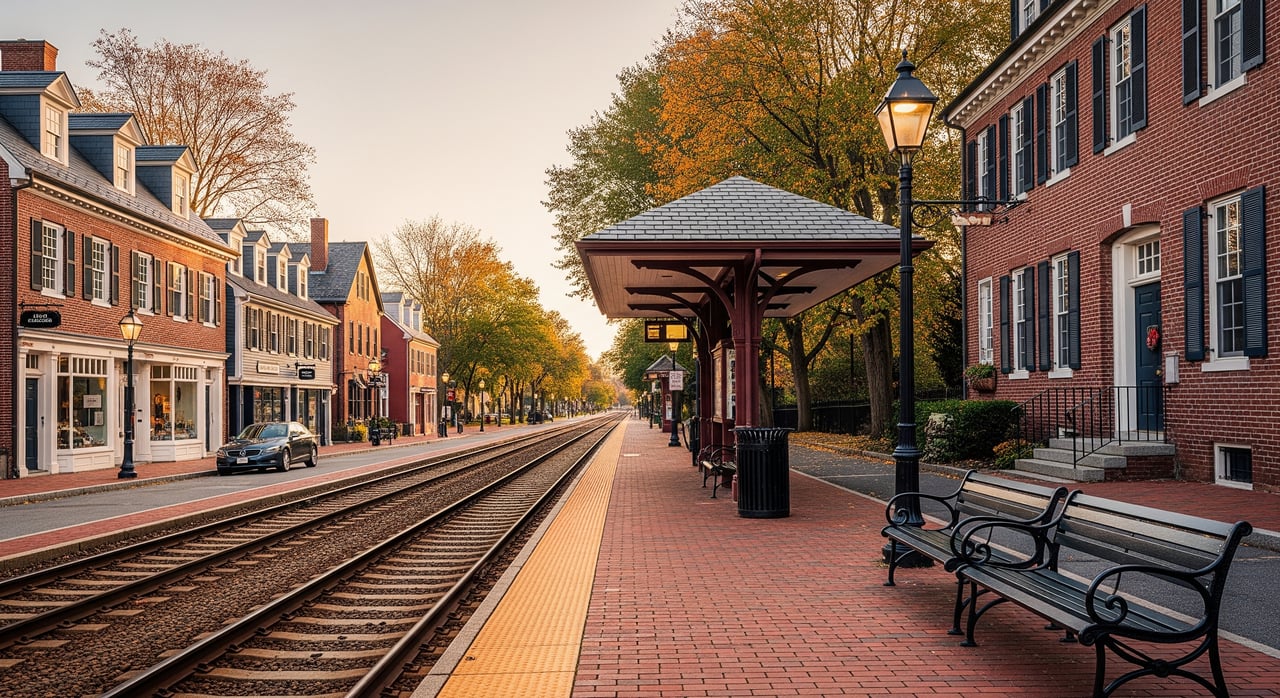
Rushing to make your train or inching along Route 9 can shape your whole day. If you are weighing a move to Newton, you want a village that fits your commute and your lifestyle. In this guide, you will learn how each village stacks up for transit access, driving routes, and everyday convenience, plus the housing you are likely to find. Let’s dive in.
Newton at a glance
Newton sits just west of Boston and south of Cambridge in Middlesex County, within the Cambridge–Newton–Framingham area. You have quick access to I‑90, I‑95/Route 128, Route 9, and Route 16, so driving options are strong. Transit options include the MBTA Green Line branches, the Framingham/Worcester commuter rail, and MBTA buses. For routes and schedules, check the official MBTA maps and schedules.
Choose by commute
- Downtown or Back Bay office: Prioritize Green Line access or reliable bus links to the subway.
- South Station hub or Amtrak connections: Consider villages on the Framingham/Worcester Line for fewer transfers.
- Route 128 or suburban tech parks: Favor quick driving access to I‑95/Route 128 and Route 9.
- Hybrid schedules: Look for flexible options such as park‑and‑ride at a Green Line terminus or a short drive to commuter rail.
Village snapshots for commuters
Newton Centre
Walkable and transit-friendly, Newton Centre offers Green Line D Branch access and several bus connections. The compact center has restaurants, shops, parks, and a civic feel, which simplifies errands on busy workdays. Housing includes larger single‑family Victorians and Colonials, plus some condos near the center. It suits buyers who want a lively, sidewalk-friendly hub with a straightforward ride into Back Bay and central Boston.
Newton Highlands
Newton Highlands has a quaint village strip and nearby rapid transit, making peak-hour trips into Boston practical. You will find early 20th‑century single‑family homes, some duplexes, and small condo conversions. The vibe is residential with just enough retail for daily needs. It appeals to buyers who want a compact center, quick train access, and a quieter pace.
Waban
Waban blends a small village center with Green Line access and bikeable streets connecting nearby villages. The housing stock leans larger, with Colonial, Tudor, and Craftsman styles. Shops and cafes offer a relaxed routine between commuting days. Choose Waban if you value tree-lined streets, steady transit access, and a calm, refined setting.
Newtonville
With a Framingham/Worcester Line station and bus links, Newtonville is a strong base for South Station trips or transfers downtown. The village center is walkable with restaurants, retail, and services. Housing is mixed, from early 20th‑century single‑family homes to multifamily buildings and newer condos. It fits buyers who want commuter rail convenience and an active village core.
West Newton
West Newton pairs commuter rail and bus access with excellent driving connections to Route 9 and I‑90. The center has dining, civic amenities, and growing retail options, and it works well for car-forward commutes. You will see a range of homes, including multifamily near the center and older single‑family houses. Consider West Newton if you want diverse housing choices and flexible commute modes.
Auburndale
Auburndale’s commuter rail station provides direct service toward Back Bay and South Station, and it is convenient to Route 128/95. The commercial area is modest, with parks and Charles River paths nearby. Most homes are single‑family, with some newer infill close to rail. It is a fit if you want a quieter, suburban feel with straightforward rail access.
Newton Upper Falls and Lower Falls
These villages offer quick driving access to major corridors and bus connections to nearby rail or Green Line nodes. You will find scenic riverfront areas, conservation land, and small centers with local businesses. Housing includes older mill‑era homes and single‑family properties, plus some renovations. They work well if you prioritize recreation and a quieter setting, and you are comfortable with a more car‑dependent routine.
Oak Hill, Nonantum, Thompsonville
Transit access varies, with some areas closer to bus routes and others more car‑dependent, especially Oak Hill. These villages include modest single‑family homes and some multifamily options that can offer better value within Newton. Local businesses cover daily needs without the bustle of the larger centers. They suit buyers seeking budget-conscious choices and flexible commutes that may mix bus, subway transfers, and driving.
Chestnut Hill (partial overlap)
Chestnut Hill spans Newton, Brookline, and Boston. Parts of it are near Green Line branches, and Route 9 access is a strong advantage for drivers. Housing ranges from luxury condos and large estates to suburban homes, with major shopping districts nearby. It appeals to buyers who want upscale amenities and a practical balance of transit and driving options.
Commute times and trade-offs
Typical peak rides on the Green Line from central Newton villages to Back Bay often range around 25 to 40 minutes, depending on the station and transfers. Framingham/Worcester Line trips to South Station commonly fall around 20 to 35 minutes, depending on the schedule. Driving into downtown Boston in rush hour can be slower and less predictable than transit, while off-peak driving or trips to Route 128 tech nodes can be competitive. Always confirm current timetables with the MBTA trip planner and review regional conditions via MassDOT.
For commuter rail schedules specific to Newton stops, use the Framingham/Worcester Line timetable. For subway and bus updates, refer to MBTA alerts on the systemwide schedules page.
Parking, bikes, and last‑mile tips
If you plan a park‑and‑ride commute, verify daily or permit parking on the MBTA parking information page. Local street and lot rules can change, so also check the City of Newton site for current parking and permits at newtonma.gov. Many residents pair biking with transit for the last mile. To explore paths and conservation areas that can support bike-to-transit commutes, start with Newton Conservators.
Housing and budget notes
Newton is a higher-priced Greater Boston market, with many single‑family homes well above $1 million. Village centers and transit-adjacent areas often offer smaller condos or apartments over retail, while interior streets feature historic single‑family styles like Victorian, Colonial, Tudor, and Craftsman. New construction and infill exist in select centers but are shaped by local zoning and historic considerations. For planning and zoning context, review the City’s Planning resources at newtonma.gov.
On schools, buyers often review official resources when evaluating locations. You can find objective information from the Massachusetts Department of Elementary and Secondary Education and Newton Public Schools.
Sample commute matches
- Back Bay work plus walkable evenings: Start with Newton Centre or Newton Highlands for Green Line access and a lively village core.
- South Station hub with minimal transfers: Shortlist Newtonville, West Newton, or Auburndale for commuter rail.
- Route 128 tech campuses and flexible hours: Consider Upper Falls, Lower Falls, Auburndale, or parts of Chestnut Hill for strong Route 9 and I‑95 access.
Next step
Every commute and lifestyle is different, and village borders can shift your on-the-ground experience by a few blocks. If you want a custom short list based on your office location, schedule, and budget, reach out to Orit Aviv for a tailored plan.
FAQs
What transit lines serve Newton’s commuters?
- The MBTA Green Line reaches multiple Newton villages for direct rides to Back Bay and downtown, while the Framingham/Worcester commuter rail connects Newton stations to Back Bay and South Station. Check the MBTA maps and schedules.
How long is a typical peak trip to Back Bay?
- Many central Newton Green Line rides fall in the 25–40 minute range, depending on station and transfers. For current estimates and routing, use the MBTA trip planner.
Where can I find station parking rules and availability?
- Review MBTA lot locations, hours, and fees on the MBTA parking information page and confirm local street or permit rules with the City at newtonma.gov.
Which villages feel most walkable for daily errands?
- Newton Centre, Newton Highlands, and Newtonville have compact village cores with shops and services. For a quick comparison, use Walk Score alongside an in-person visit.
What if I work at South Station several days a week?
- Consider commuter rail access in Newtonville, West Newton, or Auburndale to reduce transfers and improve schedule reliability. Confirm current timing on the Framingham/Worcester Line timetable.
Are there bikeable routes to reach stations?
- Many residents bike to nearby Green Line or commuter rail stops, using local streets and shared paths. For conservation areas and trail connections, start with Newton Conservators.
