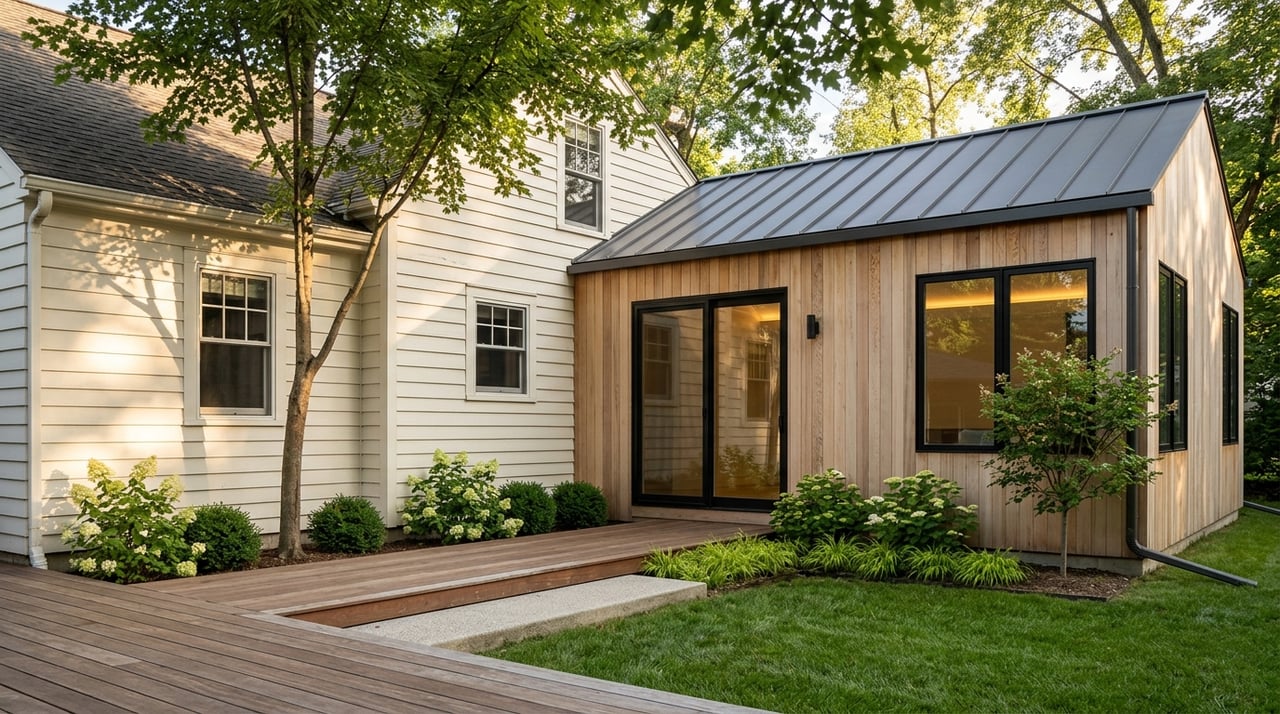
If you are house hunting in Needham, one question tends to come up fast: should you pay for new construction or buy an older home with potential? In a town where housing is expensive, inventory can feel tight, and many properties are either renovated, expanded, or rebuilt, that choice is rarely simple. The good news is that each path can work well if it matches your budget, timeline, and tolerance for projects. Let’s dive in.
Needham’s housing stock shapes the decision
In Needham, this is not a theoretical debate. The town’s housing plan shows that 22.4% of homes were built before World War II, and about 41% were built in the 1940s through 1960s. That means older homes are a major part of the local market, not a niche option.
At the same time, truly new supply is limited. Needham’s housing plan notes that housing growth from 2010 to 2020 lagged population growth, which helps explain why buyers often face scarcity when they want a brand-new home. Much of the single-family activity has come through teardown and rebuild projects rather than large new developments.
That pattern matters. From 2010 to 2020, the town recorded a net gain of only 19 single-family homes because nearly 98% of single-family permitting was tied to teardown and replacement. In 2021, there were 76 single-family units permitted, with 72 teardowns.
Needham is also a high-cost, heavily owner-occupied market. Census data shows 83.1% owner-occupied housing and a median owner-occupied home value of $1,188,500. In a market like this, the choice between new construction and an older home is often less about price alone and more about how you want to live, how much work you want to take on, and how soon you want certainty.
What new construction offers in Needham
New construction usually appeals to buyers who want a more turnkey experience. In Needham, that often means a teardown lot transformed into a code-current home with updated systems, modern layouts, and fewer near-term repair needs.
Energy performance is often a major advantage. Mass Save says residential new-construction projects commonly emphasize all-electric homes with heat pumps, super-insulated building envelopes, tighter construction, high-performance windows, sealed ducts, and efficient HVAC systems. These features are intended to improve comfort, indoor air quality, energy use, maintenance costs, and long-term value.
For many buyers, the biggest benefit is predictability. A newer home is less likely to need immediate work on insulation, heating and cooling, roofing, or electrical systems. If your goal is to move in and focus on daily life rather than a renovation plan, that can be a meaningful advantage.
New construction often fits buyers who want:
- Move-in readiness
- Lower near-term maintenance
- Current layouts and finishes
- Better energy performance from day one
- Fewer immediate upgrade decisions
What to know about the local new-build process
In Needham, new construction involves more than choosing finishes. The town notes that a new-home project may require a building permit, demolition review if an existing home is being razed, an existing-structure affidavit if the older structure is still standing, zoning compliance, and possible review for wetlands, floodplain, or septic issues.
Site logistics can add another layer. Needham’s public works rules say projects involving heavy vehicles or equipment across public ways may trigger street and sidewalk permit requirements. Excavation work may also require a Dig Safe ticket and contractor registration.
For you as a buyer, that does not always mean more work directly. It does mean the process behind the scenes can be more involved than it first appears, especially if you are buying before completion or considering a lot with redevelopment potential.
Why older homes remain compelling
Older homes are central to Needham’s identity and inventory. Because so much of the town’s housing stock was built before 1970, many buyers will naturally compare updated older homes, partially renovated homes, and properties with room to improve over time.
An older home can be a strong choice if you want an established setting and the ability to customize. You may be able to buy a home that works today, then improve it in stages as your budget and plans evolve. That can feel more flexible than paying upfront for every feature in a newly built house.
Older homes may also offer a different type of opportunity. In a market where additions, remodels, and rebuilds are common, buying an existing home can open the door to strategic upgrades rather than an all-at-once premium for turnkey convenience.
Older homes often fit buyers who want:
- More flexibility to renovate over time
- An established property rather than a new build
- A chance to prioritize upgrades based on budget
- Long-term upside through thoughtful improvements
Renovation in Needham is active and permit-driven
If you are leaning toward an older home, it helps to understand that renovation is a normal part of the local market. Through October 7, 2024, Needham reported 1,014 residential additions or alterations worth $56.1 million, alongside 71 residential new-construction permits worth $64.8 million. That tells you both rebuilding and renovation remain active in town.
But renovations are not casual weekend projects when major work is involved. Needham’s home addition and interior remodeling guidance requires permit applications, contractor verification, and plan documents. Additions also require a certified plot plan and zoning review.
This does not mean you should avoid older homes. It means you should go in with a realistic plan for cost, timing, and approvals. A home that looks like a cosmetic update on day one may involve a more layered path once you begin opening walls, updating systems, or expanding the footprint.
Energy upgrades can change the math
One reason older homes can still make strong financial sense is the chance to improve performance over time. Mass Save says insulation and air sealing improvements can lower heating and cooling costs by up to 15%, while also reducing drafts, noise, and ice-dam risk.
Mass Save also offers no-cost home energy assessments and 0% HEAT loan financing up to $25,000 for qualified improvements. For buyers considering an older Needham home, those programs can help offset part of the upgrade path.
There is also a program for renovations and additions, although the rules changed in 2024. Mass Save says eligible projects generally must be extensive, and new project registrations must meet electrification requirements as of July 1, 2024. Eligible work can include insulation, HVAC, water heating, and air and duct sealing.
Future flexibility matters too
When you compare new construction and older homes, it helps to think beyond the first year. Massachusetts now allows certain accessory dwelling units under 900 square feet by right in single-family zoning districts, effective February 2, 2025. For some older homes, that may create another path for flexibility or rental potential, depending on the lot and local review.
That will not apply to every property. Still, it is a useful reminder that an older home may offer more than its current floor plan suggests. If future space needs are part of your long-term plan, the lot and renovation potential may matter just as much as the house itself.
How to choose between new and old
In Needham, the best choice usually comes down to your lifestyle and planning style. Do you want a home that feels finished on day one, or are you comfortable making improvements over time? Are you protecting your bandwidth, or are you willing to trade convenience for customization?
Here is a simple way to frame it.
Choose new construction if you value:
- Immediate occupancy with fewer projects
- More predictable systems and maintenance
- A home designed around current preferences
- Higher energy efficiency from the start
- Turnkey convenience in a fast-moving market
Choose an older home if you value:
- Renovation flexibility
- The ability to spread upgrades over time
- Potential future additions or layout changes
- Buying into Needham’s established housing stock
- A more customized long-term approach
Questions to ask before you decide
The right decision often becomes clearer when you pressure-test the details. Before making an offer, ask yourself a few practical questions.
Budget and planning questions
- How much of your budget should be reserved for repairs, renovation contingency, or energy upgrades?
- Are you prepared for permit-related costs and timelines if you plan to renovate?
- Would paying more upfront for a turnkey home reduce stress and surprise expenses later?
Timeline questions
- Do you need immediate occupancy?
- Can you handle a longer planning, permitting, or construction timeline?
- If a property needs work, do you have temporary housing or flexibility built into your move?
Property potential questions
- Does the home’s age suggest likely upgrades to insulation, HVAC, plumbing, windows, or electrical?
- Would the lot likely support a future addition or ADU under current rules?
- If the home is a teardown candidate, does the zoning and permitting path justify the added complexity?
The real Needham takeaway
In Needham, this choice is rarely just “new versus old.” It is usually about whether you want a turnkey, code-current home with fewer immediate unknowns or a property with renovation upside in a town where older homes, additions, and rebuilds are all part of the market.
There is no one-size-fits-all answer, especially in a high-value suburb where inventory, timing, and project tolerance all shape the outcome. The key is to match the property to your real priorities, not just the photos or the finish level.
If you want help weighing newer construction against older homes in Needham, Orit Aviv offers thoughtful, high-touch guidance to help you compare options, understand the tradeoffs, and move forward with confidence.
FAQs
What is the main difference between new construction and older homes in Needham?
- New construction usually offers move-in readiness, updated systems, and stronger energy performance, while older homes often offer more renovation flexibility and long-term customization potential.
Are older homes common in Needham, Massachusetts?
- Yes. Needham’s housing plan says 22.4% of homes were built before World War II, and about 41% were built in the 1940s through 1960s.
Is new construction common in Needham, MA?
- New construction exists, but much of it comes from teardown and rebuild activity rather than large-scale new subdivisions, which can limit truly new supply.
Do older Needham homes usually need energy upgrades?
- Many older homes are strong candidates for weatherization and system improvements. Mass Save says insulation and air sealing can lower heating and cooling costs by up to 15%.
Do renovations in Needham require permits?
- Yes. Needham requires permits for many addition and remodeling projects, along with plan documents, contractor verification, and in some cases zoning review and a certified plot plan.
Can an older Needham home support a future ADU?
- Possibly. Massachusetts allows certain accessory dwelling units under 900 square feet by right in single-family zoning districts as of February 2, 2025, but feasibility still depends on the lot and local review.
