What are the home features buyers keep asking for in Lexington right now? If you are weighing the charm of a Colonial against the convenience of a newer build, it can be hard to know which upgrades truly matter. This guide breaks down the most in-demand features, how they fit within Lexington’s housing stock, and practical steps for buyers and sellers to act with confidence. You will also learn about local programs, permits, and review processes that can save time and money. Let’s dive in.
What Lexington buyers want now
Flexible workspaces that feel private
Remote and hybrid work make a dedicated home office a top priority. Professional households value quiet rooms with natural light, good acoustics, and strong internet. National research reflects this trend, and local buyers in high-amenity suburbs expect it to show up in real floor plans. You can review broader context in NAR research on buyer priorities.
In Lexington’s Colonial layouts, front studies, repurposed dining rooms, and finished basements work well when they meet safety and egress standards. Upstairs bedrooms or an attic conversion can also serve as a study if ceiling heights allow. Simple upgrades go a long way: lighting, additional outlets, built-ins, and sound treatments help a multipurpose room function like a true office.
Energy efficiency you can feel
Lower operating costs, comfort through New England seasons, and sustainability drive demand for energy-smart homes. The most impactful upgrades tend to be air sealing, insulation, heat pumps for heating and cooling, and modern controls. Many buyers ask for documentation, so a recent energy assessment and permits reassure them that improvements were done right.
Massachusetts households have a powerful resource in Mass Save home energy assessments. The program offers no-cost evaluations and incentives for insulation and high-efficiency equipment that can reduce upfront costs. You can also explore clean energy and electrification initiatives through the Massachusetts Clean Energy Center and federal guidance at the U.S. Department of Energy.
Kitchens that work for real life
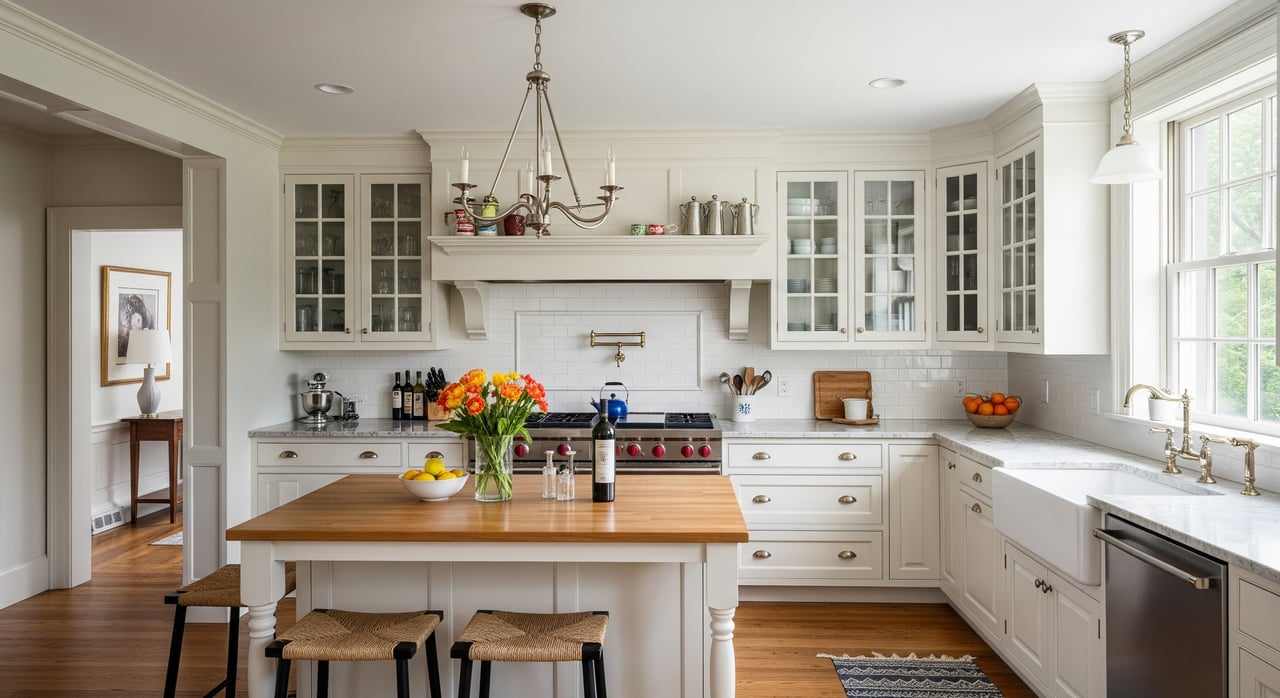
Kitchens remain the emotional core of the home. Lexington buyers often want functional, modern cooking spaces with good flow to family or entertaining areas. Popular features include generous storage, island seating, durable counters, efficient appliances, and smart lighting.
In Colonials, updating the kitchen while preserving period details is a winning formula. A cosmetic refresh can be powerful: refinish or paint cabinetry, replace hardware, update counters and fixtures, and layer in quality lighting. If you consider opening walls, consult a structural professional and secure permits to avoid surprises during buyer due diligence.
EV-ready garages and future-proof wiring
Interest in electric vehicles continues to grow among Greater Boston commuters. Buyers increasingly look for a garage with a hardwired Level 2 charger or at least the electrical groundwork for one. The simplest step is a dedicated 240V circuit and outlet, though a panel upgrade may be necessary in older homes.
Massachusetts programs and federal incentives can improve the economics of chargers and service upgrades. For current options, consult MassCEC resources on EV charging and relevant state program pages on Mass.gov. In historic areas, placement and visibility matter, so plan equipment locations that are discreet and compliant.
Colonial vs contemporary: how features fit
Colonial strengths and smart upgrades
Colonial homes deliver curb appeal and period character that many Lexington buyers love. Formal rooms can be repurposed into studies or playrooms without changing the structure. The biggest challenges are often behind the walls: older wiring, limited insulation, and compartmentalized layouts can complicate open kitchens and mechanical updates.
A smart approach is to preserve character while modernizing systems. Prioritize air sealing, insulation, electrical capacity, and heat pump components that improve comfort and efficiency without changing the facade. In the kitchen, choose finishes and millwork that respect scale, then add storage through built-ins to make smaller rooms work harder.
Contemporary advantages and quick wins
Newer or contemporary homes tend to accommodate open kitchens, primary suites, and EV or smart-home wiring with less friction. Running new circuits, adding recessed lighting, and integrating heat pumps is usually simpler. If the design feels dated, focus on finishes, lighting, and kitchen layout adjustments that align with today’s preferences.
For both eras, documenting permits, warranties, and energy improvements builds buyer confidence. Clear records shorten due diligence and help justify value.
Practical checklists for buyers touring Lexington
Home office and flex space
- Check room size, natural light, and sound privacy.
- Confirm internet options and speed, plus Ethernet availability.
- In basements or attics, verify headroom, moisture control, and safe egress.
Energy and mechanical systems
- Identify heating and cooling type, age, and service history.
- Look for heat pumps, insulation in the attic, and efficient windows.
- Ask for a recent Mass Save energy assessment and any related documentation.
Kitchen evaluation
- Test the layout, storage, and work zones you rely on daily.
- Check appliance ages, energy ratings, and service records.
- Consider feasibility of layout changes and whether walls are load bearing.
EV readiness
- Note electrical service size and panel capacity.
- Look for a dedicated 240V circuit or conduit in the garage.
- Confirm driveway or garage space allows practical charger placement.
Historic and permitting considerations
- Ask whether the property sits in a historic district or conservation area.
- Request permits, certificates, and inspection records for past work.
- When in doubt, consult the Town of Lexington website for building, permitting, and historic review guidance.
Seller playbook: updates that move the needle
Prioritize high-impact, cost-smart work
If you are preparing to list, lead with changes buyers can see and feel. A cosmetic kitchen refresh, fresh paint, modern lighting, and thorough maintenance signal a well-cared-for home. Pair those with energy improvements that come with documentation, like air sealing and insulation supported by Mass Save. A visible Level 2 charger or prewiring in the garage is a strong signal that the home is future ready.
Convert a room into a true office
Many Lexington homes have a formal room that can become a dedicated study. Add built-ins, layered lighting, and outlets to create a calm, productive space. Stage it clearly so buyers instantly understand how they will use it.
Manage permits, vendors, and records
Use licensed contractors who know Lexington’s permitting and review process. Secure required permits for electrical, structural, HVAC, and mechanical work. Keep a neat packet for your listing that includes permits, Mass Save paperwork, contractor invoices, appliance warranties, and EV documentation. Clear records build trust and can reduce friction at offer and inspection.
Respect character where it matters
In historic or character homes, honor the facade and millwork while upgrading systems. That balance attracts buyers who appreciate Lexington’s heritage without sacrificing comfort. Where exterior changes could be visible, engage design review early to avoid rework.
Local incentives and approvals at a glance
- Energy efficiency: Start with a Mass Save home energy assessment to identify air sealing, insulation, and heat pump opportunities.
- Clean energy and EVs: Explore programs and information through the Massachusetts Clean Energy Center and relevant state pages on Mass.gov.
- Federal guidance: Review homeowner resources at the U.S. Department of Energy for efficiency and electrification basics.
- Permits and historic review: Confirm local requirements on the Town of Lexington website before starting work.
Build your plan with a local advisor
Aligning must-have features with the realities of Lexington’s housing stock is part strategy and part execution. Whether you need a true office, a smarter kitchen, an EV-ready garage, or comfort upgrades, a clear plan will save time and protect value. If you are buying, use the checklists above to evaluate trade-offs with confidence. If you are selling, prioritize visible improvements, leverage energy programs, and document everything.
When you are ready to take the next step, connect with a trusted local guide who can tailor the plan to your timeline and budget. Let’s connect and map a path that fits your goals in Lexington. Reach out to Orit Aviv for boutique, white-glove guidance backed by national resources.
FAQs
What features are most in demand for Lexington homes?
- Buyers often prioritize flexible home offices, energy efficiency upgrades, modern kitchens with good flow and storage, and EV-ready garages with a 240V circuit or charger.
How do historic districts affect exterior changes in Lexington?
- Some exterior changes, such as visible EV equipment or dormers, can require review and approvals; check the Town of Lexington website early in your planning.
Are heat pumps a good fit for older Colonial homes in Lexington?
- Yes, many Colonials can benefit from heat pumps, but wiring, insulation, and layout can affect cost and design; start with a Mass Save home energy assessment to chart the best path.
What makes a garage EV-ready for buyers in Lexington?
- A dedicated 240V circuit or conduit to the garage, panel capacity, and a safe mounting location make installation easier; review guidance through MassCEC EV resources.
Which kitchen updates deliver strong impact before selling?
- A cosmetic refresh often delivers quick appeal: refinish or paint cabinets, update hardware and counters, improve lighting, and present appliance records to reassure buyers.
What should I check in a finished basement used as a flex space?
- Confirm moisture control, adequate headroom, and safe egress; verify that any past work was permitted and that electrical and HVAC systems meet current standards.
