Wondering if you can find a town that feels rooted in New England history without giving up the ease of modern daily life? Lexington stands out for exactly that balance. If you are exploring Greater Boston suburbs, this guide will help you understand how Lexington blends historic character, varied housing, practical amenities, and strong transportation access. Let’s dive in.
Why Lexington Stands Out
Lexington was first settled in 1642 and incorporated as a separate town in 1713. Today, the town reports about 34,454 residents and places itself roughly 11 miles northwest of Boston, giving you a setting with long-standing identity and close access to major job centers. According to the Town of Lexington overview, that mix continues to define the community.
What makes Lexington especially appealing is that its historic reputation is not limited to a few landmarks. The town has grown over time, including significant post-World War II housing development, but it still feels historically grounded rather than fully remade. For buyers who want both character and convenience, that layered evolution is a big part of the appeal.
Historic Lexington Feels Lived-In
Lexington’s Revolutionary War identity remains central to the town’s character. The local historical commission points to the Battle Green, Buckman Tavern, Hancock-Clarke House, and Minute Man National Historical Park as nationally recognized historic places, while also noting that about 2,000 properties are protected through local historic districts. You can explore more through the town’s Historical Commission resources.
That historic setting is also part of everyday life. Lexington’s cultural district stretches along Massachusetts Avenue from Hastings Park to Pleasant Street and includes historical sites, shops, restaurants, and public spaces across a corridor of a little more than three miles, according to the town’s cultural district information. In practical terms, that means history is woven into the places where you run errands, meet friends, and spend time around town.
Lexington Homes Span Many Eras
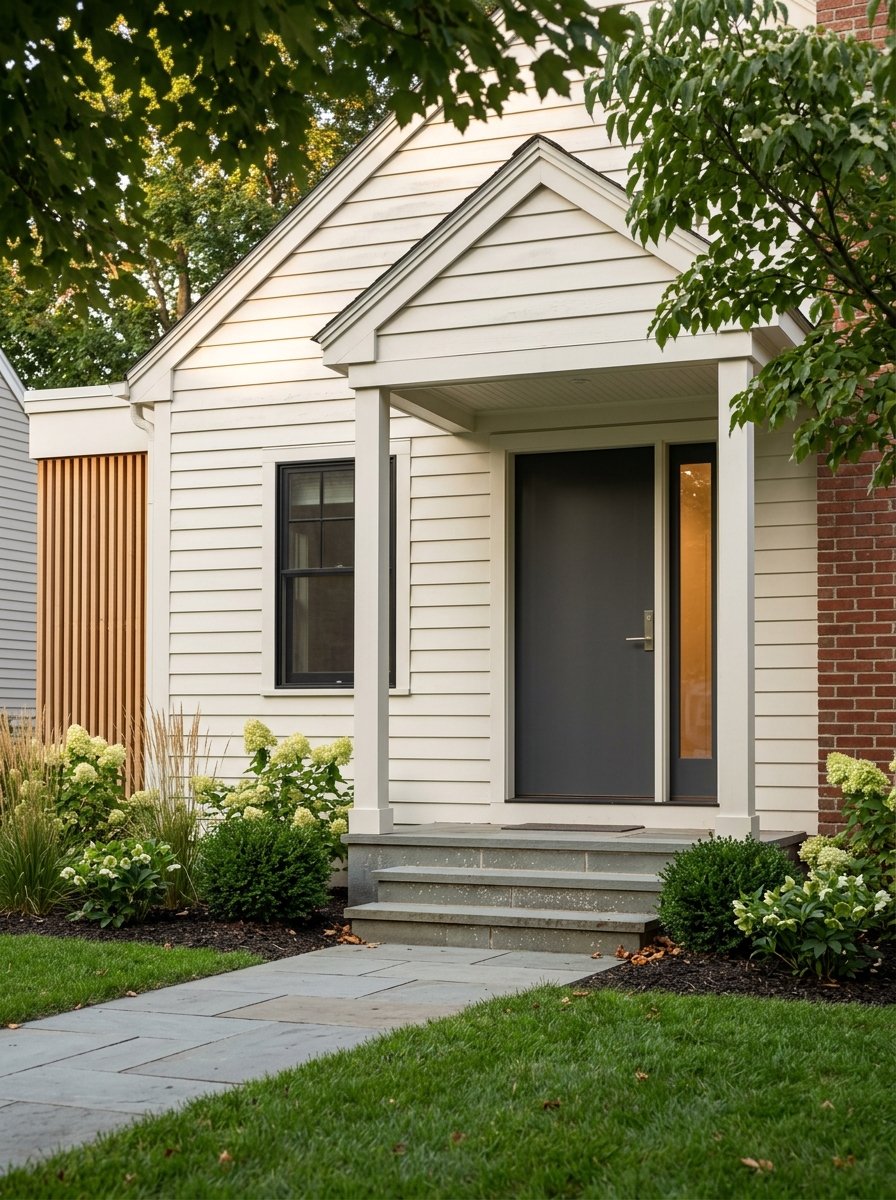
One of the most useful things to know as a buyer is that Lexington does not have just one housing style. Preservation materials from the town show a mix shaped by different growth periods, including older homes near the center, late-19th- and early-20th-century housing influenced by the railroad, and later neighborhood development across town. This gives you a broader range of home types than you might expect in a suburb known mainly for its past.
Early-20th-century Lexington strongly favored Colonial Revival design, but the town also documents bungalows, American Four Squares, and other early suburban forms. After 1940, the housing stock expanded significantly, adding Cape Cod and Colonial Revival homes, ranches, garden-style apartments, and planned modernist neighborhoods. The town’s Early Modern Period overview highlights places such as Six Moon Hill, Five Fields, Peacock Farm, Turning Mill, and Shaker Glen.
What Buyers May Find
If you are home shopping in Lexington, you may come across several distinct housing experiences:
- Historic-area homes near the center with classic New England character
- Early suburban homes from the late 19th and early 20th centuries
- Postwar neighborhoods with Cape Cod, Colonial Revival, and ranch-style homes
- Mid-century modern pockets that are especially notable for Greater Boston suburbs
That range can be helpful if your priorities include architectural character, renovation potential, layout flexibility, or proximity to the town center. It also means your home search may benefit from a neighborhood-by-neighborhood strategy rather than a one-size-fits-all approach.
Lexington Center Supports Daily Life
A beautiful town center matters even more when it also works well in real life. Lexington Center is the town’s main commercial district, and the town describes it as a well-maintained area with retail stores, professional offices, banks, and restaurants. Nearby civic resources include Cary Library, Cary Memorial Building, and the Lexington Community Center.
This is one reason Lexington often appeals to buyers looking for a suburb with a true center rather than only residential streets and shopping plazas. The center supports day-to-day routines while preserving a distinct sense of place. It is not just scenic. It is functional.
Parking also helps make the area practical. The town notes that visitor and employee parking is available behind shops on both sides of Massachusetts Avenue, which can make quick errands and regular visits easier in the heart of town. You can review details on parking in Lexington Center.
Outdoor Access Adds Modern Convenience
Lexington’s appeal is not limited to architecture and history. The town reports having 26 conservation areas with more than 50 miles of trails, giving you many ways to get outside close to home. For buyers who value recreation and open space, that trail network is a meaningful part of daily livability.
The Minuteman Bikeway is another major asset. It runs 10 miles from Bedford Center through Lexington Center to the Alewife MBTA station, and the town notes that the Lexington section is normally plowed in winter. That makes it useful not only for recreation, but also for regular transportation throughout much of the year.
Lexington also connects directly to larger historic landscapes. The National Park Service says Minute Man National Historical Park preserves the sites, structures, and landscapes associated with the first armed conflict of the American Revolution. The park spans 1,038 acres across Lexington, Concord, and Lincoln, adding another dimension to the town’s open-space experience.
Commuting From Lexington
For many buyers, lifestyle and commute go hand in hand. Lexington offers access to Routes 95/128, Route 2, Routes 4/225, and Route 2A, making regional travel fairly straightforward. The town also lists LexPress, its community bus system, along with MBTA bus routes 62 and 76, which connect to Alewife and the Red Line. You can find more through the town’s directions and getting around page.
The town states that Lexington is about 10 minutes from Cambridge, 15 minutes from Boston, and 30 minutes from Logan Airport. While your actual travel time will vary, those connections help explain why Lexington remains attractive to buyers who want suburban space with access to Boston-area employment and transit links. It supports more than one way of getting around, which is a real advantage in daily life.
Is Lexington Right for You?
Lexington may be worth a closer look if you want a town where historic character is part of daily life rather than a backdrop. It offers a real town center, a broad mix of housing styles, useful outdoor amenities, and transportation options that connect you to the wider region. For many buyers, that combination is hard to replicate.
If you are comparing communities in Greater Boston, Lexington can make sense whether you are drawn to classic New England architecture, mid-century design, easier access to trails and biking, or a suburb with strong civic identity. The key is understanding which part of town and which housing era best fit your goals.
If you are considering a move to Lexington or comparing it with other Greater Boston communities, Orit Aviv offers thoughtful, high-touch guidance tailored to your goals, timeline, and lifestyle.
FAQs
What makes Lexington, MA historically significant?
- Lexington is closely tied to the start of the American Revolution and includes landmarks such as the Battle Green, Buckman Tavern, Hancock-Clarke House, and Minute Man National Historical Park, along with about 2,000 properties in local historic districts.
What types of homes can you find in Lexington, MA?
- Lexington includes Colonial and Colonial Revival homes, Cape Cods, ranches, bungalows, American Four Squares, garden-style apartments, and notable mid-century modern neighborhoods.
Is Lexington Center useful for everyday errands and dining?
- Yes. Lexington Center serves as the main commercial district with shops, restaurants, offices, banks, civic buildings, and nearby parking that supports regular daily use.
What outdoor amenities are available in Lexington, MA?
- Lexington offers 26 conservation areas with more than 50 miles of trails, plus the Minuteman Bikeway and access to Minute Man National Historical Park.
How do you commute from Lexington to Boston-area destinations?
- Commuting options include major road connections, the local LexPress bus system, MBTA bus routes to Alewife and the Red Line, and the Minuteman Bikeway for bike access toward Alewife.
