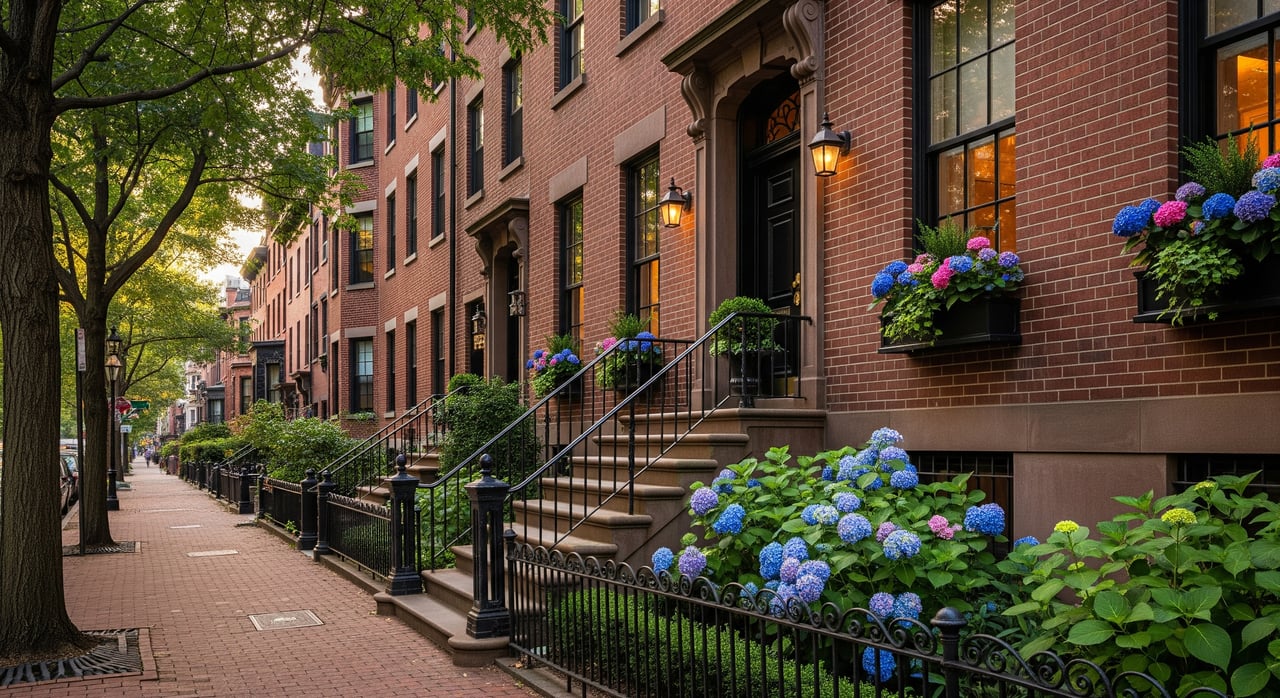
Is Brookline calling your name, but the process feels overwhelming? You are not alone. As a first-time buyer, you want a home that fits your lifestyle and a clear roadmap to get there. In this guide, you will learn how the Brookline market works, how Massachusetts closings operate with attorneys, what to look for in condos and brownstones, and how to plan a smooth timeline from search to keys. Let’s dive in.
Brookline basics for first-timers
Brookline sits right next to Boston with village centers that are easy to walk, like Coolidge Corner and Brookline Village. You will see a mix of homes: modern and older condos, classic brownstones and rowhouses, 2–4 family buildings, and some single-family homes. Many buildings date to the late 1800s and early 1900s, so you may encounter plaster walls, steam or oil heat, cast-iron pipes, and non-central air.
Transit and walkability are top price drivers. Homes near MBTA Green Line stops and village amenities often command premiums. You will also compete with a range of buyers, including professionals tied to nearby hospitals and universities, downsizers, and active investors who value strong rental demand.
Parking can be tight, and many condos do not include assigned spaces. If a space matters to you, confirm whether parking is deeded or assigned, and ask about street permit options for the specific block. Some Brookline areas have historic districts and preservation rules, so exterior changes may need review or approval.
Get mortgage ready early
Brookline is competitive, so strong financing is your foundation.
- Secure a lender pre-approval, not just a pre-qualification.
- Gather pay stubs, W-2s, bank statements, and ID.
- Have proof of funds for deposits ready to share quickly.
This puts you in position to act fast when the right home appears and helps you understand a realistic budget for this market.
Condo vs brownstone: what to know
What you are actually buying
- Condominium: You own your unit plus a share of the common areas. A condo association manages the exterior, structure, common halls, and master insurance. You pay monthly fees for shared costs and reserves.
- Brownstone or rowhouse: In Brookline, this could be a single-family that spans the building, a condo within a multi-unit brownstone, or a multi-family with separate units and possible tenant leases. Verify the legal setup before you offer.
Responsibilities and ongoing costs
- Condos: You handle the interior of your unit and carry an HO-6 policy. The association manages exterior and common elements. Budget for monthly fees and possible special assessments. Review what the fee covers, such as heat, hot water, landscaping, snow, elevator, or other services.
- Brownstone single-family: There is no condo fee, but you are responsible for all maintenance. Plan for long-term items like roof, masonry repointing, chimneys, windows, and systems.
- Multi-family brownstone: Ownership may include tenant and landlord duties, separate utilities, and different insurance. Financing terms can differ from an owner-occupied condo or single-family.
Financing differences
- Condos: Lenders review association documents, budgets, reserves, and master insurance. Some condo projects face stricter eligibility rules.
- Brownstones: Single-family brownstones finance like single-family homes. Multi-unit properties may use owner-occupied 2–4 unit loans or investment products with different terms.
Renovations and historic rules
- Condos often require association approval for interior or exterior changes and may limit contractors or timelines.
- Brownstones in historic areas may need approval for exterior changes. Plan ahead if you hope to alter facades, windows, or masonry.
Due diligence checklist
For condos, request and review:
- Master deed, bylaws, and rules
- Current budget and last 2–3 years of budgets
- Reserve study and reserve balance
- Recent association meeting minutes
- Condo fee details and coverage
- Any recent or pending special assessments
- Master insurance certificate and coverage scope
- Rental policy, pet rules, and lease exposure
- Estoppel or resale certificate for arrears or litigation
- Parking and storage rights
For brownstones and multi-family buildings:
- Building survey or accurate floor plans and legal description
- Permit history for any conversions
- Records of major capital work, such as roof or chimney projects
- Tenant leases, deposits, and histories if occupied
- Utility metering details, separate or master-metered
- Code compliance and any open violations
Red flags to watch
- Condo: Low reserves, frequent special assessments, pending litigation, or lender eligibility issues that limit financing options.
- Brownstone: Undocumented conversions, unresolved code violations, water intrusion, foundation concerns, or deferred maintenance pointing to major near-term costs.
The Massachusetts closing process
Massachusetts uses an attorney-led model for both buyers and sellers. Your attorney is your legal advocate from contract to close.
What to expect step by step
- Pre-offer: You get pre-approved, tour homes, and narrow your search.
- Offer and negotiation: Your agent prepares the offer. If accepted, attorneys review and negotiate the Purchase and Sale Agreement.
- Deposit: You provide the deposit called for in the P&S. Funds are held in escrow.
- Inspection period: You complete a home inspection and any specialized tests. Findings can lead to renegotiation, repair requests, credits, or cancellation if your contingency allows.
- Mortgage underwriting: The lender orders an appraisal, completes underwriting, and issues a commitment with conditions.
- Title work: Your or the seller’s attorney orders a title search and issues a title commitment. Title exceptions must be cleared.
- Final walk-through: You confirm condition and agreed repairs 24–48 hours before closing.
- Closing: Attorneys conduct the settlement, collect and disburse funds, record documents, and release keys.
Your attorney’s role
Your attorney will review and negotiate legal terms, manage title and municipal checks, prepare the closing statement, and represent you at the settlement. In a condo purchase, they also review association documents and estoppel or resale certificates.
Typical buyer closing costs
You should plan for lender fees, appraisal, credit report, title insurance, recording fees, attorney fees, and prorations for property taxes and condo fees. The seller usually covers broker commissions and may cover certain transfer taxes based on local practice, but this is governed by your Purchase and Sale Agreement. Ask your lender for a Loan Estimate and your attorney for a closing cost estimate early.
Timing and common bottlenecks
From accepted offer to closing, plan for about 30–60 days. Delays can occur if the appraisal comes in low, underwriting needs more documentation, title defects surface, or a condo association is slow to produce required documents.
A realistic Brookline timeline
Preparation: 2–6 weeks
- Secure pre-approval and gather documents.
- Research neighborhoods, public transportation corridors, and 2–3 preferred village centers.
Active search: 1–6 months
- Competitive buyers can move quickly. If you need specific features or parking, expect a longer search.
- Plan for frequent tours and quick decisions when the right home appears.
Offer to accepted contract: 1–7 days
- Negotiations can be fast. Have your attorney and agent ready to move a P&S forward right away.
Inspection window: 7–14 days
- Schedule a general inspection and any targeted inspections. Get contractor estimates if you plan to negotiate repairs or credits.
Underwriting and appraisal: 14–45 days
- Respond to lender requests quickly to keep momentum.
Title and condo estoppel: 7–21 days
- Title is usually straightforward but can take longer for older properties. Condo estoppel or resale certificates sometimes slow deals, so start early.
Closing: typically 30–60 days from P&S
- Complete a final walk-through 24–48 hours before closing. At settlement, attorneys exchange documents, record the deed and mortgage, and release keys after recording.
Post-closing: days to weeks
- Confirm recording, set up utilities and insurance, change locks, and register with your condo association if applicable.
Smart Brookline showing tips
Older buildings have charm and quirks. During tours, note stair steepness, light, and layout flow. Listen for sound transfer between floors. Ask about recent or planned capital projects like masonry, roof, boilers, elevators, or window work, and whether costs were assessed. If parking is important, confirm what conveys and whether the street offers resident permits.
How to compete with confidence
- Be pre-approved and ready with deposits.
- Know your must-haves versus nice-to-haves.
- Review likely condo documents and costs before you offer.
- Move quickly on showings and paperwork without skipping key protections.
- Partner with a local team that knows Brookline’s building stock, condo practices, and attorney-led closings.
Your next step
Buying your first home in Brookline can be clear and manageable with the right plan and team. If you want a boutique, high-touch approach backed by national resources, reach out to Orit Aviv for tailored buyer representation, relocation support, and trusted introductions to lenders, attorneys, and inspectors. Let’s make your first purchase organized, confident, and aligned with your goals.
FAQs
What makes Brookline different for first-time buyers?
- Brookline offers walkable village centers, MBTA access, and older housing stock that requires careful review of systems, condo rules, and parking options, with strong buyer and investor demand.
How does the Massachusetts attorney-led closing work?
- Both sides use attorneys who review the P&S, manage title and closing documents, and conduct settlement, with typical closings occurring 30–60 days after offer acceptance.
What should I review in a Brookline condo purchase?
- Study the master deed, bylaws, budgets, reserves, recent minutes, assessments, master insurance, rental and pet policies, estoppel or resale certificates, and parking or storage rights.
Are brownstones riskier than condos for first-time buyers?
- It depends on the property: brownstone single-families have no condo fees but full maintenance costs, while condos have shared expenses and rules; due diligence is key for either option.
How long does the search and closing usually take in Brookline?
- Many buyers search 1–6 months, then plan 30–60 days from accepted offer to closing, depending on inspections, appraisal, underwriting, title, and condo document timing.
