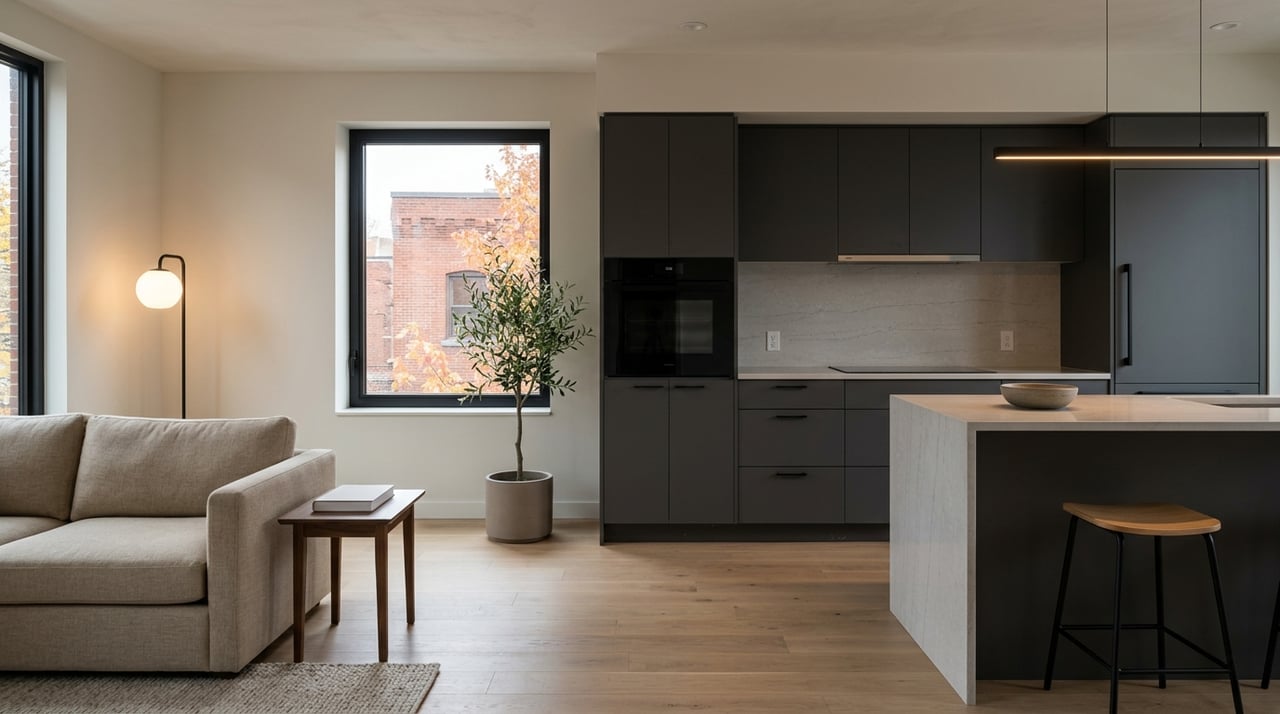
If you are thinking about buying a Brookline condo as an investment, you are looking at one of Greater Boston’s most established and expensive housing markets. That can feel exciting and a little daunting at the same time. The good news is that Brookline offers clear signals about what tends to rent well, what costs matter most, and where investors need to be careful. Let’s dive in.
Why Brookline draws condo investors
Brookline sits about four miles from downtown Boston and blends suburban residential character with urban convenience. The town describes itself as a mature suburban residential community with urban characteristics, and less than 6% of its land is zoned commercial. That means location inside Brookline matters a lot because small shifts in transit access and nearby services can change both rental demand and resale appeal.
Brookline is also a high-cost, high-income market. Recent Census estimates show a median gross rent of $2,835, a median owner-occupied home value of $1,246,800, and a median household income of $142,101. For you as an investor, that points to strong rent potential, but it also means your purchase price and carrying costs need careful underwriting from day one.
The town’s housing analysis adds another important layer. Brookline has 28,274 dwelling units, more than half of the housing stock is renter-occupied, and about 41% of all condominiums are currently rented. That tells you the condo rental market is already an established part of the town’s housing mix, not a niche strategy.
Brookline investment math starts with location
In Brookline, micro-location can matter more than many buyers expect. Because the town is compact and mostly residential, being near a Green Line stop, a useful bus corridor, or a neighborhood commercial area can make a major difference in how easy a condo is to rent and how broadly it appeals at resale.
Transit is one of the strongest variables to watch. Brookline says the Green Line C branch runs along Beacon Street from St. Mary’s to Coolidge Corner to Cleveland Circle, and the D branch runs from Longwood Medical Area through Brookline Village to Reservoir Station. The town is also served by MBTA bus routes 51, 60, 65, and 66.
Brookline’s housing plan goes even further by saying higher-density multifamily housing should be concentrated around train stations that connect residents to jobs and services. That is a strong local signal for investors. If you are comparing two similar condos, the one with easier transit access may deserve a closer look.
Areas that may deserve extra attention
Certain parts of Brookline tend to stand out because of access and convenience. Locations near Coolidge Corner, Brookline Village, Longwood Medical Area, and well-used bus corridors may attract different tenant profiles than units farther from transit.
That does not mean one area is automatically better than another. It means you should evaluate each condo based on who is most likely to rent it, how easily they can move around from that address, and how the location may affect your future buyer pool.
What features can help a Brookline condo rent well
In a market like Brookline, practical features often matter more than flashy upgrades. The town’s transit-oriented and professionally employed population suggests that many renters value convenience, condition, and low-friction living.
A condo that is close to transit, efficient in layout, and move-in ready may be easier to lease than a larger unit with more cosmetic appeal but more daily hassle. This is an underwriting inference based on Brookline’s housing and transit profile, not a formal town rule, but it is a useful one.
Features to prioritize
When you are comparing condo investments in Brookline, these features may deserve extra weight:
- Proximity to the Green Line or a strong bus route
- Efficient floor plan with usable living space
- In-unit laundry
- Parking
- Storage
- Elevator access or low-stair entry
- Clear pet policies in the condo documents
- Building systems and common areas that appear well maintained
These features can help reduce turnover friction and widen your likely tenant pool. They can also support resale later if you decide to sell to an owner-occupant or another investor.
Condo documents matter as much as the unit
A Brookline condo investment is never just about the apartment itself. In Massachusetts, condo ownership comes with rights to your individual unit, but it also requires compliance with the master deed, bylaws, and lawful restrictions in the condominium documents.
That means your due diligence should go beyond finishes and square footage. The association can assess common expenses, maintain reserve records, place liens for unpaid assessments, and enforce charges or fines under the governing documents. Before you buy, you should understand both the monthly costs and the rules that could affect how you use the property.
Review these items before you commit
For a Brookline investment condo, make time to review:
- Master deed
- Bylaws and rules
- Current condo fee
- Operating budget
- Reserve fund position
- Insurance information
- Any pending or recent special assessments
- Any limits or restrictions on leasing
- Pet rules and occupancy rules
A condo with a good location but restrictive leasing rules may not fit your investment goals. A building with low fees but weak reserves may look attractive upfront, then become more expensive later.
Understand the ongoing costs
Brookline is not a market where you want to underestimate carrying costs. Property taxes, condo fees, reserve funding, and possible special assessments all deserve a place in your numbers.
Brookline bills real estate taxes quarterly, and delinquent balances accrue interest at 14% per annum. For FY2026, the town lists a residential tax rate of $10.24 per $1,000 of assessed value. That tax line should be built into your expected monthly ownership costs.
There is also an important detail for investors. Brookline’s residential exemption applies only to an owner who uses the property as a principal residence as of January 1. If you are buying a pure investment condo, you generally should not expect that exemption to reduce your tax bill.
Keep your exit clean
Brookline issues a municipal lien certificate before closing that lists taxes, assessments, and other local charges that must be paid. If you plan to sell or refinance later, clean records and on-time payments can help make that process smoother.
Short-term rentals are not the easy play here
If you are hoping to buy a Brookline condo for an Airbnb-style strategy, you need to read the local rules very carefully. Brookline defines a short-term rental as a stay of less than 27 consecutive days and requires the operator to be the owner, use the unit as a primary residence for at least 183 days, carry at least $1,000,000 of liability insurance, and comply with local registration, inspection, and occupancy rules.
For most pure investors, that framework makes short-term rentals a poor fit. In practical terms, a Brookline condo is usually a better candidate for long-term rental income or future resale, unless your ownership structure clearly meets the town’s owner-occupancy rules.
Think long term, not quick flip
Brookline’s market is supply-constrained and expensive. The town’s housing analysis notes that rental housing has been reduced over time as older rental stock was converted to condominiums. Combined with high values and strong rents, that suggests a longer holding period may be the more grounded investment approach.
That is not a guarantee of future performance, and no market moves in a straight line. Still, if you are buying in Brookline, it often makes more sense to focus on durable demand, predictable carrying costs, and flexible exit options rather than a fast flip or appreciation alone.
Smart exit paths to keep open
When you buy a Brookline condo as an investment, it helps to preserve more than one possible outcome:
- Hold as a long-term rental, if condo documents allow it
- Sell to an owner-occupant
- Refinance after improvements or equity growth
Flexibility matters because condo rules can restrict use, and Brookline’s short-term rental rules are narrow. The more options your property gives you, the more resilient your plan may be over time.
Is Brookline the right condo investment for you?
Brookline can be an appealing market if you want a location with established demand, strong transit links, and a housing profile that supports premium rents. It may be especially attractive if you value long-term positioning over speculation and want an asset in a mature, supply-constrained community close to Boston.
At the same time, Brookline rewards disciplined buying. You need to evaluate micro-location, building financials, condo rules, tax treatment, and realistic rent potential before you commit. In a market this competitive and expensive, the right condo can be a strong hold, but the wrong one can limit your flexibility.
If you want help identifying Brookline condos that align with your investment goals, Orit Aviv offers high-touch buyer guidance, leasing and investor support, and local insight tailored to Greater Boston’s condo market.
FAQs
Is Brookline mostly renter-occupied or owner-occupied?
- Brookline is close to balanced, but more than half of the housing stock is renter-occupied according to the town’s housing analysis, while Census estimates show an owner-occupied rate of 46.9%.
What makes a Brookline condo easier to rent?
- In Brookline, practical advantages often matter most, including proximity to Green Line stops or bus routes, an efficient layout, move-in-ready condition, parking, storage, in-unit laundry, and clear building rules.
Can you use a Brookline condo as a short-term rental investment?
- Usually not as a pure investment strategy, because Brookline requires the short-term rental operator to be the owner and to use the unit as a primary residence for at least 183 days, along with insurance, registration, inspection, and occupancy compliance.
What condo documents should you review before buying in Brookline?
- You should review the master deed, bylaws, budget, reserve information, insurance details, condo fees, any special assessments, and any leasing or occupancy restrictions before moving forward.
What property tax issue should Brookline condo investors know?
- Brookline bills taxes quarterly, uses a FY2026 residential tax rate of $10.24 per $1,000 of assessed value, and the residential exemption generally does not apply to a condo held purely as an investment property.
Is Brookline better for long-term holding or a quick flip?
- Based on the town’s supply-constrained housing profile and high entry prices, Brookline is usually better underwritten as a longer-term hold rather than a fast flip strategy.
